
The Streamertail Rum Story; A small business goes full circle.
My experience of single handedly launching a rum brand in my spare time. Some insights into starting a Spirits brand.
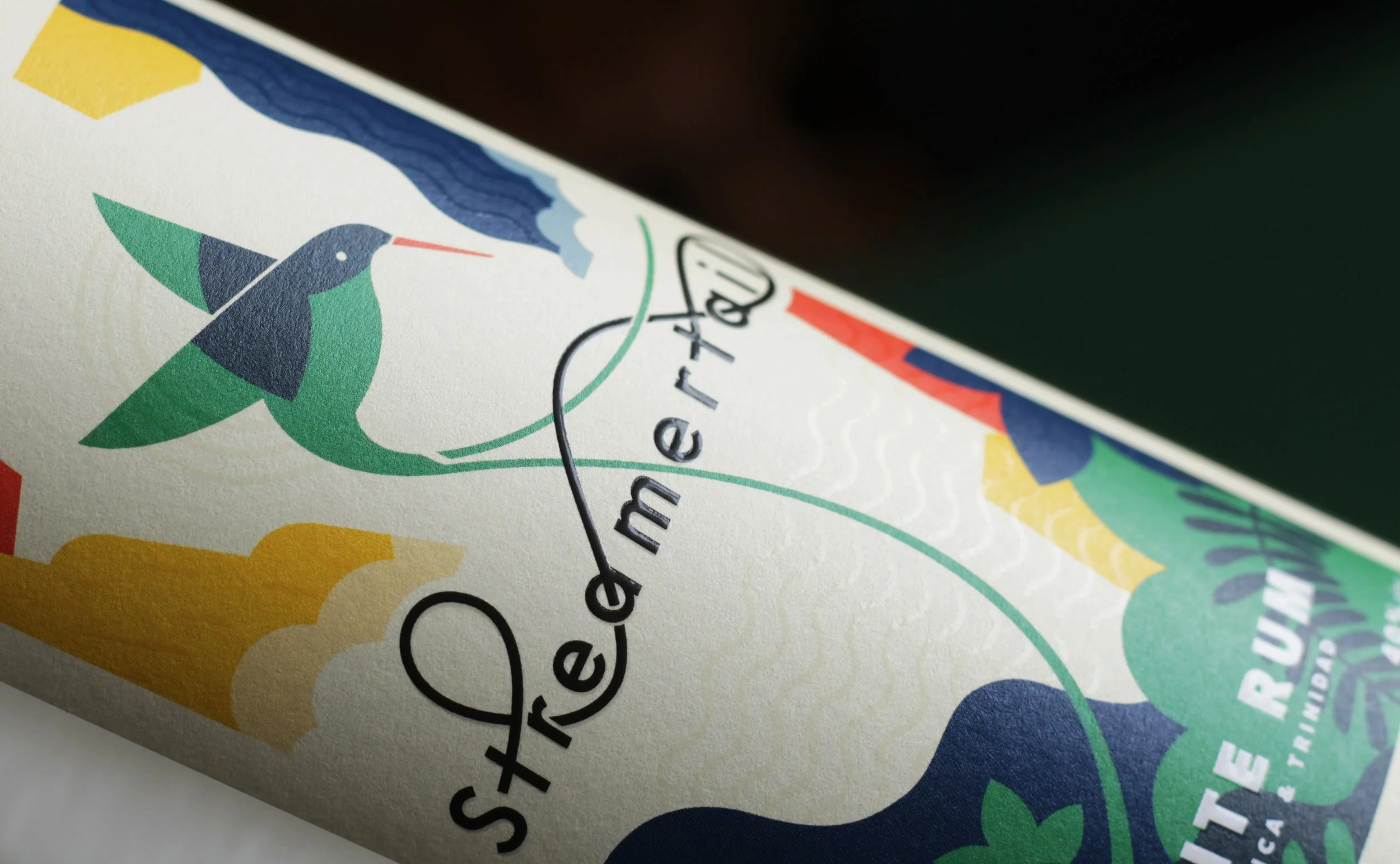
2019 - Streamertail Rum Bottle depicting the Streamertail Hummingbird, design and photo by Tom Boucher.
Why am I writing this?
I’m writing this for myself, as closure, now that I’m drawing this chapter to an end. All the points below are a broad overview of my own thoughts and opinions based on the experience I’ve had over the 8 years of setting up and running Streamertail. As a side note I can say, hopefully with pride, that in a world of AI generated content, this article is 100% written and edited by humans.
I’m not a rum expert or business guru and some of the points below might be obvious. I’m a rum fan who saw an opportunity, felt an entrepreneurial urge, and had a go. This is my experience and what I’ve learned about the rum/spirits world, myself and business. It’s also important to assess things, especially when they have not gone to plan. We hear a lot about successful businesses but not often about the businesses that don’t endure.

2017 - Outside The National Rums of Jamaica bonded storage warehouse, Jamaica.
Inspiration and background
At 14 I fell in love with Reggae. Since then, Reggae has played a huge part in my life, and I’ve always been drawn to the people and culture surrounding Jamaican music. During my university days, rum was my drink of choice while dancing the night away. In my late twenties, after a few years as a chef in London, I decided I wanted to get into the rum industry, and I flew to Jamaica to learn what I could on the island that produces some of the best rum in the world.
I found work in Kingston docks at an independent rum blender and bottler called KRB Lea Jamaica Ltd and explored the other distilleries on the island like Hampden, Worthy Park and Appleton. I wanted inspiration from the people and culture, just as much as from the distilleries, so I did my best to get to know people and experience the music and food as much as possible. Gonzo R&D…? Or is that a stretch?
When I got back to the UK, the plan was to get some experience with another brand or company then develop my own brand. I soon realised, not least because I was told, that my time in Jamaica was not ‘CV worthy’ so I thought, screw it, I’ll start my own brand! And Streamertail was born. Named after the national bird of Jamaica (aka The Doctor Bird).
I had tried several white rums from various distilleries around the island and was amazed at how much flavour they had and how smooth some of them were despite most being overproof. I decided I wanted to celebrate Jamaican white rum and show the world there was more to white rum than the few well-known brands which currently monopolise the market.
Streamertail is a blend of Jamaican pot still rum from Hampden, Worthy Park and Monymusk with a 3-year aged and filtered rum from Trinidad. It packs a lot of Jamaican flavour and is mellowed by the lighter Trinidadian rum to make it super smooth and approachable.
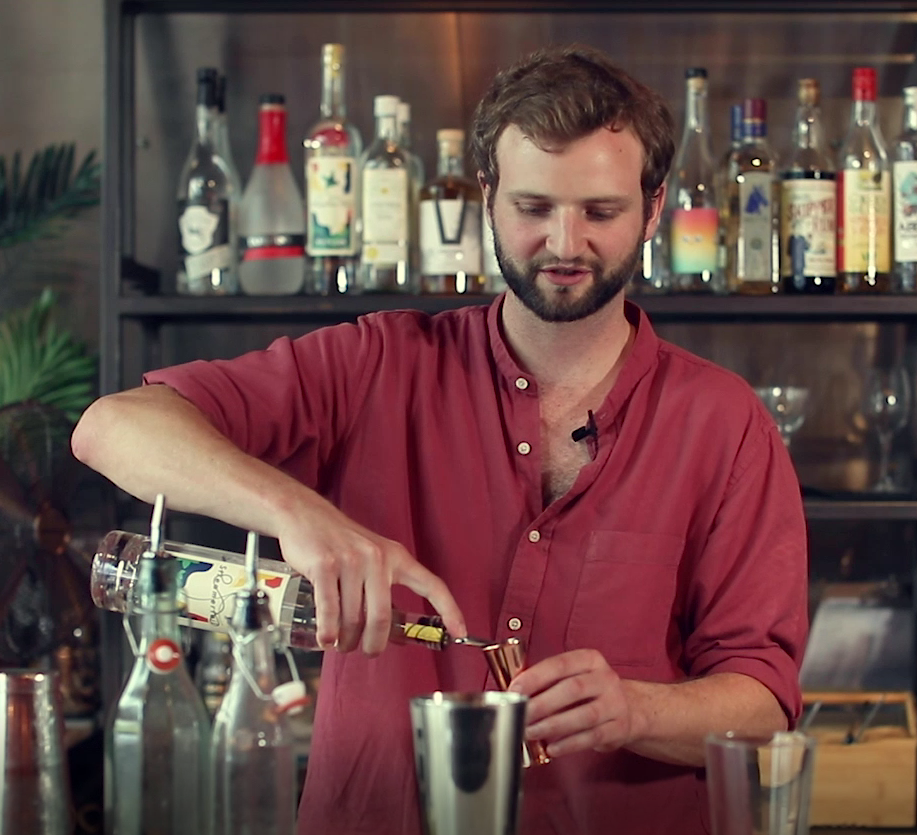
2021 - Shaking Daiquiris at Kricket, Brixton.
The Rum Market
The Rum market is substantial but mainly dominated by a handful of big brands. White rum makes up 5% of UK spirits sales (£500m/year) but one particularly well-known white rum brand has a monopoly and makes it very hard for others to compete.
That said, there is huge potential for a brand to come along and challenge the big dogs. People are into provenance, emotional connection, quality, purity and transparency and a lot of the major players in rum lack that craft element and variety that got people interested in gin, and that has driven the craft beer industry recent years. The gin boom helped open people’s eyes to the value of small batch, artisanal spirits with a story and provenance.
· Confusing:
Since the rise of gin in the UK, many people have commented that rum must be next. And people have been saying this for a while (Ironically, global rum consumption is 3 times more than gin). The market is there but rum has one major issue that gin does not: the very nuanced, hugely broad and ambiguous classification. This makes it very hard to concisely say why one rum is better than another. It’s something the rum world has been trying to simplify to help create a clear and concise way of describing different rums, so the consumer knows exactly what they’re getting.
Recently, I read a great article by Rum Wonk about different types of white rum. Rum is hugely varied, while an advantage when exploring different styles, it also means it’s the wild west when it comes to rules and regulations. Every country has different techniques, rules, preferences, which ultimately leads to different levels of purity, quality and brand transparency. Long conversations can be had about colour, age, pot, column, spiced, purity, fermentation and much more. This is the challenge faced by brands who really need a punchy way to make their message stick.
· Spiced Rum:
Perhaps a bit of a digression but it’s difficult to avoid the topic of spiced rum, because it’s so popular. I was often asked if I would ever create one. The answer was always ‘no.’ Historically, spiced rum is made from a neutral base rum with added sugar and spices as a cheap way to make mass-produced flavourless spirit palatable. A well-made rum can hold more flavour, without the need to add anything. That said, the demand for spiced rum has no doubt led to some innovation and there are some good quality spiced rums beginning to emerge.

2017 - Hampden Great House, Home of Hampden Rum, Jamaica.
Setting up
· Product and Brand Creation:
Putting the pieces together was relatively straightforward. Creating the blend and developing the brand was the fun part. I had a clear idea of what I wanted the product to be; I wanted it to be as pure as possible, pay respect to its Caribbean origins and have a distinctive flavour. I contacted my favourite distilleries in Jamaica who put me in touch with E&A Sheer, who developed the blend based on the spec and flavour profile I wanted to achieve. This whole process was exciting and as smooth as the blend we ended up concocting!
As with any licensed product there were other hoops to jump through. Getting the relevant licenses, a WOWGR and an AWRS, was a process (a description of which is perhaps best saved for another time) and as with any business one must go through the usual business/VAT registration, trademarking and funding…
· Funding:
Initially the plan was to get £150k investment and everything would be smooth sailing from there. However, after meeting a few potential investors I changed my tack and decided I wanted to grow the business, slowly but surely, by myself. I ended up getting a £25k government-backed start up loan, which was enough to get going.
Trading
There’s a lot to unpack about all aspects of selling and competing in the rum/spirits’ market. Below is a summary of key points that have stuck with me.
· Duty:
Most people would be surprised at how much HMRC takes from each bottle of spirit. I have added a graphic from an early business plan to show you the breakdown. From the gross profit, you must then pay corporation tax, wages, marketing, any overheads and operating costs. How much do you or can you charge?
· Price:
Pricing is incredibly hard. With the margins mentioned above, you might need to decide between volume or margin. If you decide you want to be accessible to a huge number of people, you need to make sure you reach serious volume quickly. And even if you added £10-£15 to the sale price you would still have to sell a huge amount of rum before you could pay yourself (or any staff) a basic salary.
· Distributors:
Distributors are the key to the on-trade (bars and restaurants). It’s hard to get listed with them, and when you do, they expect volume, and they expect it quickly and are not as collaborative as you might expect. A short list of bars or restaurants would have helped but perhaps I was naive to assume our mutual interest - selling great rum and offering something new and exciting to their customers - would warrant a bit of support. Maybe I just couldn’t, for various reasons, nurture those relationships, and achieve the sales they required.
· On-trade:
The on trade is a great way to get your stock moving particularly if you’re fortunate enough to get listed and, even better, used in a house pour.
I was lucky enough, from my cheffing days, to have a couple of good introductions to some popular restaurant chains who were keen to support new brands, namely Kricket, Brother Marcus, Brewing Brothers and Snobbys thank you! Nevertheless, sustaining these contracts requires regular engagement. Bar manager turnover is high and understandably people like to change things up when they move or take over. Nurturing the right relationships is key and a never-ending mission.
· Competition:
You’re also trying to compete with sponsorship from the big brands. I remember visiting a bar who absolutely loved Streamertail but admitted that a big brand paid them £10,000 a year to use their rum in 5 out of 12 of the house specials. It’s tough for hospitality so you can’t blame them for taking this deal, but it makes it extremely difficult for new brands with shallow pockets to get traction.
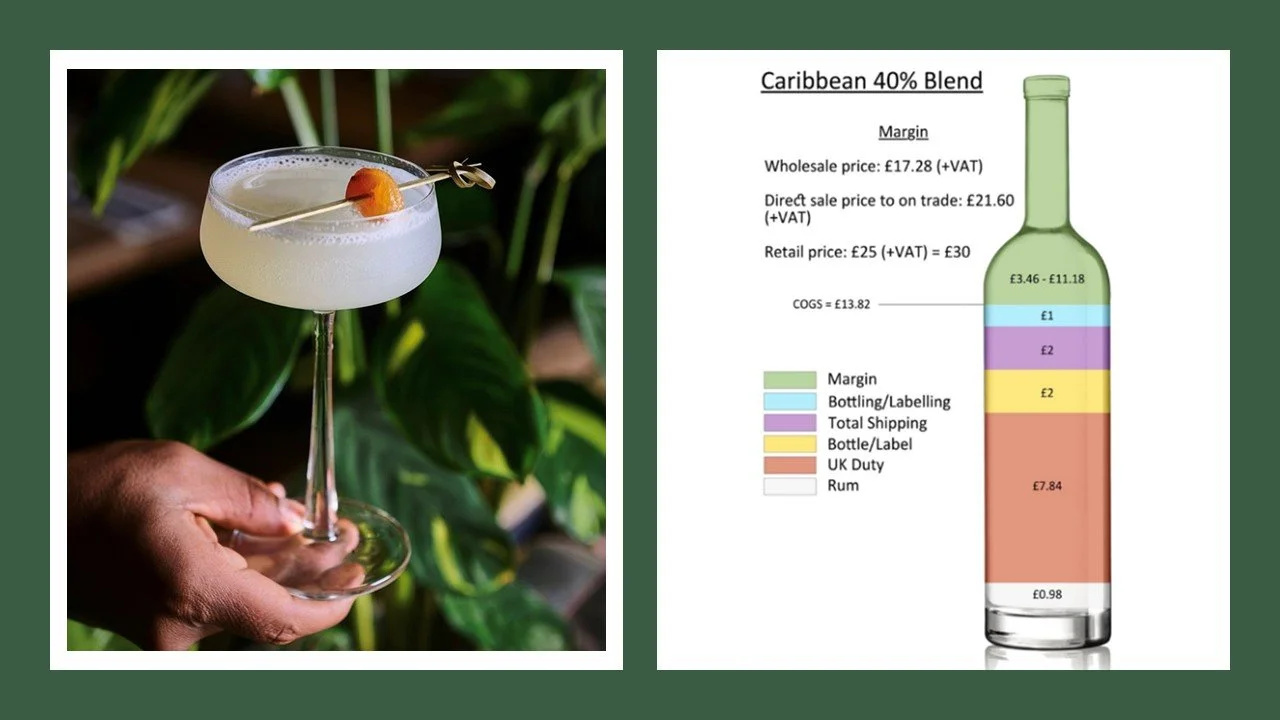
Left: 2019 - Kayisi Cocktail – Brother Marcus. Right: 2018 - Graphic display of rough cost breakdown.
Why am I pausing the business?
Time and timing, resources and personal circumstances.
I hate to think that this is the end, so I’ve used the word ‘pausing’ with the hope that I might be able to re-launch at a later date, under different circumstances.
It’s hard to narrow it down, but it the interest of brevity, these are the main reasons I’m stopping things for now:
After launching in 2019, I had some good contracts in place and some exciting plans for 2020. Unfortunately, Covid slowed down momentum at a pivotal time. I had to go back to full time work and struggled to regain the momentum when things opened again. I started the business with a £25,000 loan so had to keep working a day job. It was always hard to focus and give the business the attention it needed. Especially as I didn’t have the budget to outsource anything.
When I initially approached investors some of them said that they would only invest in a 2+ person team. I now understand why! I am a one-man band and don’t have all the knowledge and skills needed as well as the benefits of a partnership and double the work capacity!
In recent years, since becoming a father, my priorities have shifted, and I cannot give Streamertail the time and focus it deserves and needs for it to grow. Trying to juggle full time work, family life and a side business has been a challenge.
Reflections
Can rum be the next big thing? There is opportunity for new brands to make their mark, they will just need a huge marketing budget and a clear message.
A Co-Founder, ideally with some industry or marketing experience, would have massively increased the chances of success.
I like to think it would still be possible to grow the business organically, without investors, but only if I had the resources to be able to dedicate the substantial time it would need. A large budget for marketing would’ve helped compete against the big brands.
Rumours of redundancies at some of the large drinks’ companies, and one well known spirits VC fund has stopped investing. Is this a warning sign or an opportunity? What does it say about current trends? Recent stats indicate that Gen-Z are drinking less and appetite for Alcohol is being affected by weight loss treatments, although Streamertail was some way away from being affected by these global trends.
Finally… what an amazing journey. From the moment I decided to start a rum brand it has been one hell of a ride. It goes without saying that I met a lot of incredible people along the way, who will be friends for life. I developed and launched a product that I was truly proud of, and it was all my own, and I’ve learned a lot along the way! Thank you to all the loyal customers, friends and family who have supported this venture. Although it hasn’t gone as expected, the experience was not wasted.
There is still some limited stock available, if you’d like to purchase a bottle or 2, ‘Hurry, while stocks last!’
www.streamertailrum.com or email archie@streamertailrum.com for case enquiries.
Archie Burden, Founder of Streamertail Rum, January 2026
*If you have any comments or questions about anything written above, please don’t hesitate to contact me – archie@streamertailrum.com.
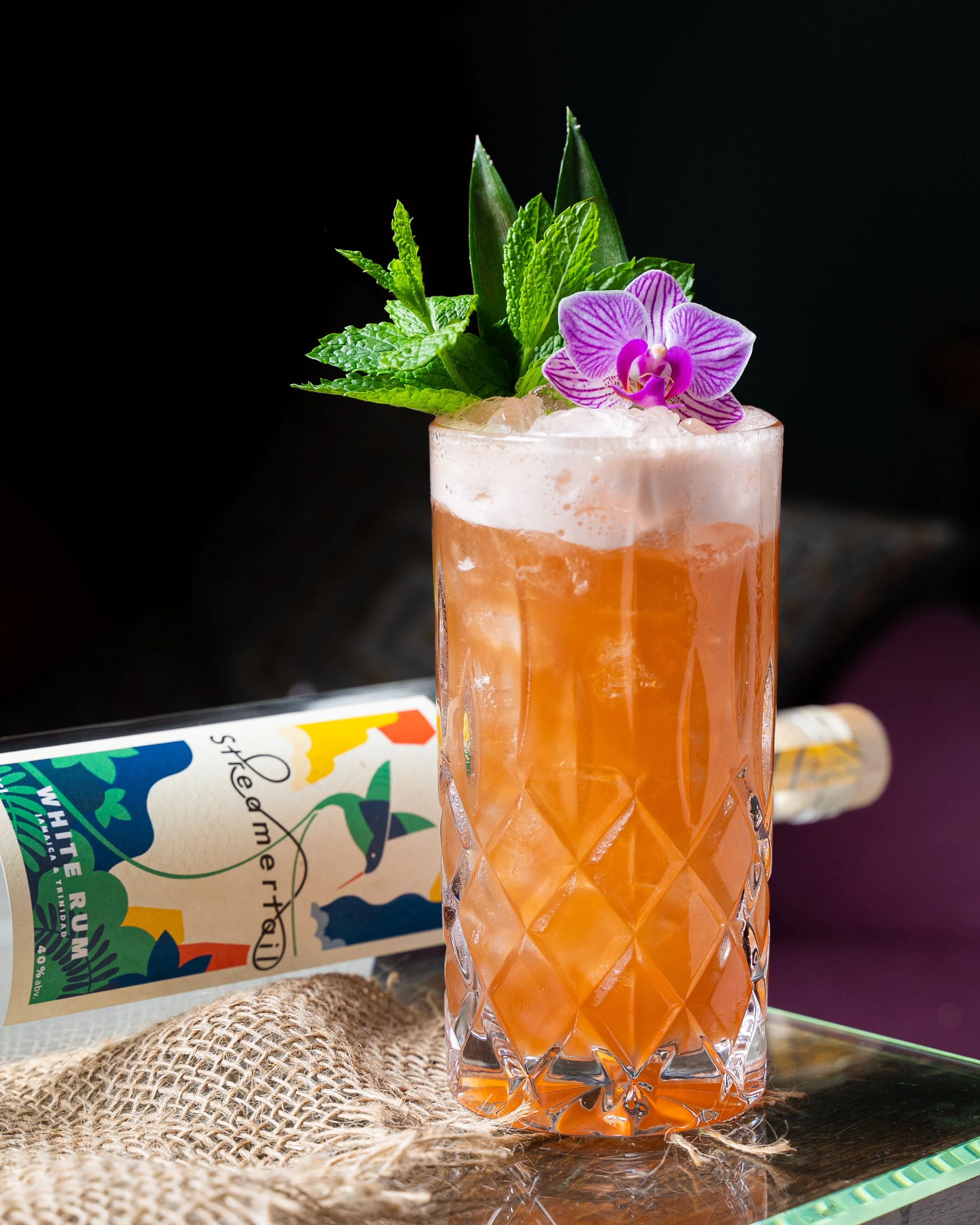
2020 - Streamertail Cocktail, Credit @Servedbysoberon